Sardar 2 Tragedy: Why On-Set Stunt Deaths Are a Failure of Process, Not Just Fate
Published on October 5, 2025 by MoreMeets Team
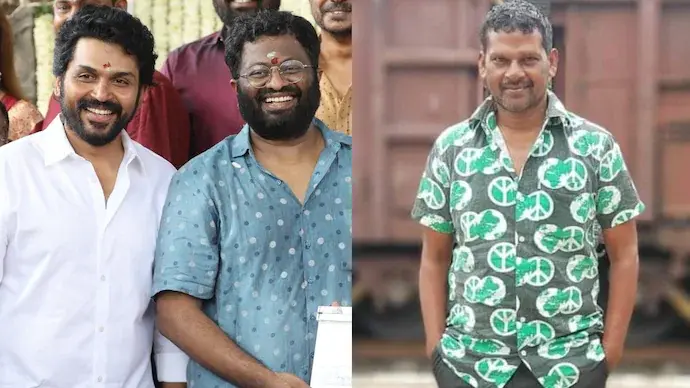
The Indian film industry was recently rocked by the tragic death of a stuntman during the filming of "Sardar 2". While the investigation is ongoing, such incidents are rarely a matter of bad luck. They are almost always the result of a catastrophic breakdown in process. For every high-flying action sequence that wows audiences, there must be a grounded, rigorous, and verifiable safety protocol. When that chain of procedure is broken, the consequences are devastating.
A professional stunt is not a daredevil act; it is a carefully choreographed and engineered event. The safety of the performer is paramount and depends on a series of checks, counter-checks, and clear lines of authority. This incident serves as a grim reminder for every producer and line producer: your most important job is not just managing the budget, but managing the risk to human life.
The 8 Pillars of a Professional Stunt Safety SOP
A robust safety protocol is a non-negotiable system that turns a high-risk activity into a manageable one. Here is the framework every production must adopt.
Before any equipment is brought on set, the stunt coordinator must create a detailed diagram and risk assessment. This document outlines every aspect of the stunt, from the equipment used to the forces involved. It must be signed off by the director and producer, creating a clear record of accountability.
Every single piece of equipment—from the carabiner to the crane—must be inspected and certified by a qualified rigger before the shoot day. Our Film, TV & OTT Production Pack includes a 'Rigging Inspection Checklist' where each item is signed off, creating a legal, auditable trail of due diligence.
The stunt performer and safety officer must jointly inspect and approve all protective gear (harnesses, pads, helmets). This dual-check system ensures that the person performing the stunt is confident in the equipment protecting their life.
A stunt is never performed at full intensity for the first time. The protocol mandates incremental testing: starting at low speeds or heights and gradually scaling up. This allows the team to spot any potential issues in a low-risk environment.
A certified medic and a fully-stocked ambulance must be on standby for any high-risk stunt. Crucially, a pre-planned and cleared evacuation route must be established and briefed to the entire team. A medic who can't reach the injured person in time is of no use.
An independent safety officer, who reports to the producer not the director, must have the ultimate authority to stop the stunt at any time if they are not 100% satisfied. This "stop-work authority" is the final and most important safety net, removing the creative pressure that can lead to dangerous shortcuts.
After every complex stunt, the key team members conduct a short debrief or "post-mortem" to discuss what went well and what could be improved. This knowledge is then logged and used to refine safety protocols for future shoots.
Every step, from the initial risk assessment to the final sign-off, must be documented. In the event of an accident, this paperwork is not just for compliance; it is the production's primary defense in any legal or insurance investigation. It proves that professional due diligence was followed.
Conclusion: Safety is Not Optional
The loss of life on any film set is an unacceptable failure. By implementing a rigorous, checklist-driven safety culture, producers not only protect their cast and crew but also protect their investment from catastrophic delays, legal liability, and reputational ruin. A professional production does not gamble with safety.
Continue Your Journey to Excellence
The concepts in this article are operationalized in the following toolkit:
Film & OTT Production Pack
Premium Pack
Explore The Full Toolkit