The $25 Million Burrito
A forensic analysis of Chipotle’s food safety crisis and the science of Operational Drift. Discover how billion-dollar brands collapse through small, routine lapses.
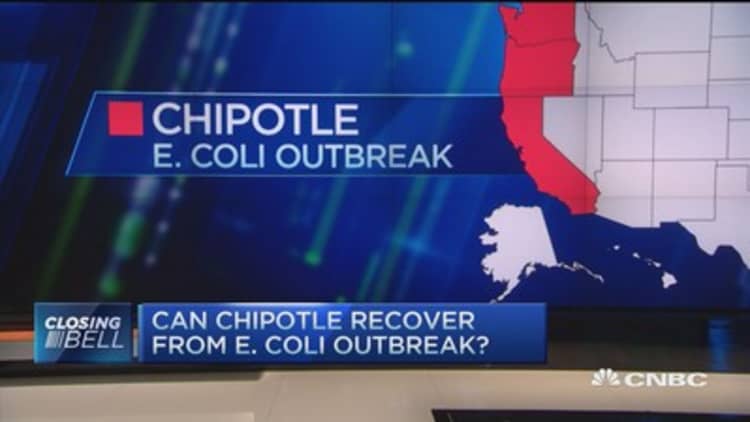
On a chilly autumn afternoon in 2015, a handful of customers reported something common. They felt sick. Within weeks, Chipotle's market value dropped by billions.
Foodborne illness is not rare. But this wasn’t just a failure of biology; it was a failure of systems. Chipotle—the poster child for "Food With Integrity"—was brought to its knees by its own operational success and the resulting complexity that outpaced its controls.
The Anatomy of Operational Drift
The real story wasn't about bacteria. It was about Drift. Operational drift occurs when small deviations from procedure gradually become the "new normal." A missed log entry. A delayed temperature check. An employee working while ill because "the team is short-staffed."
"Operational drift is subtle. It doesn’t feel like negligence. It feels like adaptation. A busy Friday night. A short-staffed shift. An assumption that 'someone already checked.' This is the gap where disasters are born."
Taking Stock: Financial Consequence Mapping
Forensic Cost Analysis (2015-2020)
- Federal Fine (Criminal Liability) $25,000,000
- Stock Value Loss (Market Cap Erosion) -$10,000,000,000+
- Sales Decline (Comp Store Revenue) -30% (2016 Q1)
- Publicity & Brand Trust Damage IMMEASURABLE
The Compound Cost of Routine Lapses
Organizations rarely collapse because they lack rules—they falter because enforcement varies. When you operate 2,000+ locations, even a 3% compliance deviation creates a massive target for litigation. The "burrito problem" was actually a "documentation problem."
In 2020, Chipotle agreed to pay a $25,000,000 federal fine — the largest ever imposed in a U.S. food safety case — specifically for failing to maintain rigorous, verifiable safety protocols across its footprint.
Masterclass Lesson: Drift Prevention
Sustainable protection requires more than policy; it requires Mandatory documentation tied to shift accountability. You need independent audits, clear sick-leave enforcement, and a system that makes the *status* of every task visible to management instantly.
High-performing brands fail not because they don’t know standards, but because they assume standards are self-executing. They are not.
Documentation is defense — and in a high-risk operational environment, defense must be systemic, proactive, and permanent.
OPERATIONAL DISCIPLINE REQUIRES STRUCTURE
Deploy ISO, HACCP, and OSHA-aligned protocols built for execution — not documentation.
"Brand trust is built on verifiable safety."