Sector: Restaurant Operations
Why Busy Nights Break Good Businesses
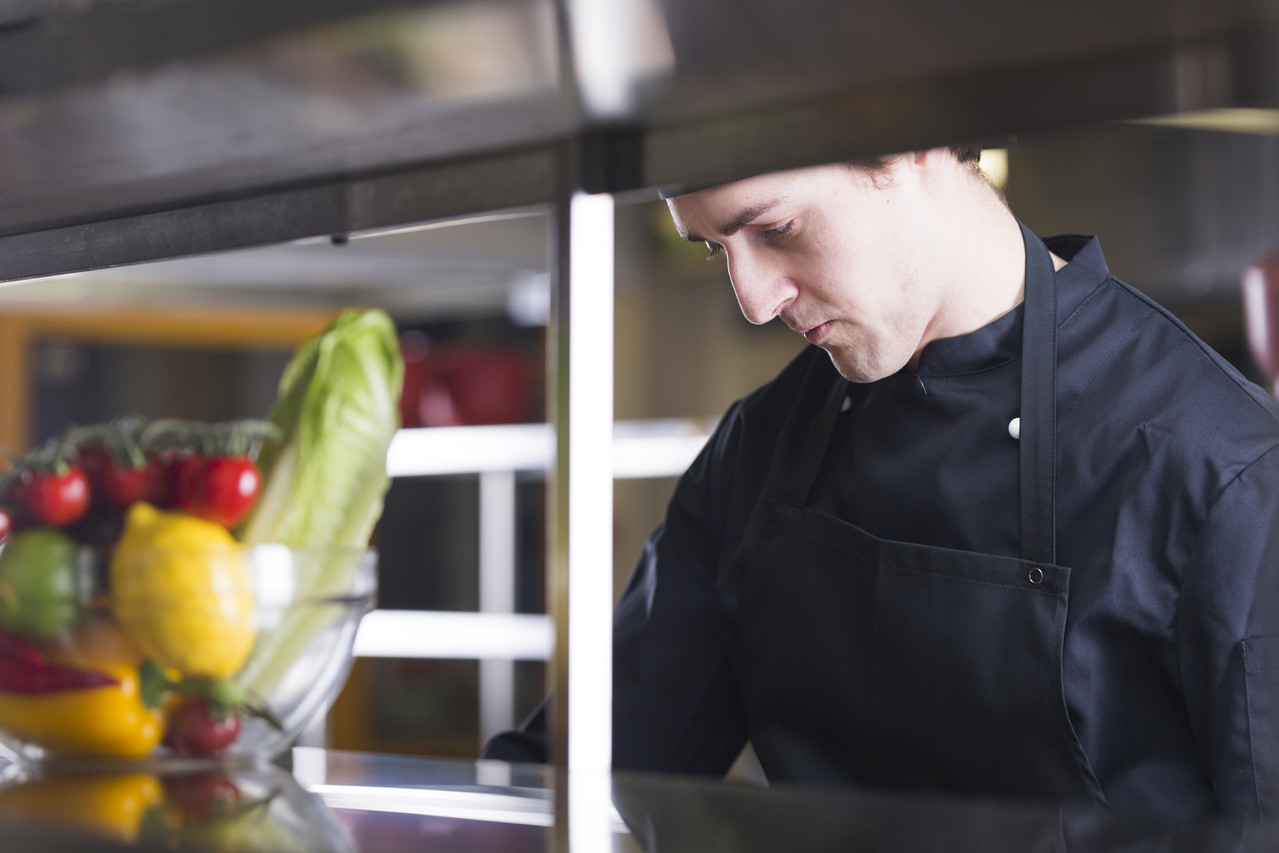
By 8:17 p.m., table 14 had been waiting 26 minutes. The bar had run out of clean glassware. A dessert had been fired twice. One ticket had vanished somewhere between the POS and the pass.
From the outside, it looked like a great night. Full house. Waitlist. Energy high. Music right. Inside, the margin for error was gone. This is what peak season actually does. It doesn’t create chaos. It removes recovery time.
"Peak performance is not about speed. It is about removing variability."
On a normal night, small mistakes are invisible. A delay gets absorbed. A miss gets corrected. A guest doesn’t notice. On a busy night, the same mistake multiplies. A delay becomes a complaint. A re-fire becomes a backlog. A missed step becomes a visible failure.
The Compression Trap
Nothing new went wrong. You just ran out of time to fix it. That is what operators misunderstand about peak demand. The pressure is not volume. It is compression. More orders. More decisions. More movement. Less space between errors. And once that space disappears, everything becomes visible.
Systems Over Coordination
The best-run operations don’t “handle” peak season. They reduce what can go wrong before it starts. Menus get tighter. Prep gets simpler. Roles get clearer. Exceptions get fewer. Decisions get faster.
"In peak season, coordination breaks first."
The businesses that struggle are not the weakest. They are the ones still relying on coordination instead of systems.
OPERATIONAL DISCIPLINE REQUIRES STRUCTURE
"Brand trust is built on verifiable safety."